Engineered forwhat comes next.
Strategy, design, technology, marketing and AI built as one system, so your brand is found, chosen and keeps growing.
World clock
- New DelhiStudio
- LondonUnited Kingdom
- New YorkUnited States
- SingaporeSingapore
- TokyoJapan
- Los AngelesUnited States
Venuras is a digital growth, technology and creative studio headquartered in New Delhi. We bring strategy, design, technology, marketing and AI together as one system, for clients worldwide.
Services
Eight capabilities.
One system.
Each one is stronger for the others. Point at a service to see what it works with.
- UI/UXJourneys people finish
- Website design & developmentFast, accessible, built to convert
- SEOFound in search and AI answers
- Technology solutionsPlatforms built to last
Selected work
Four products.
Live, and in use.
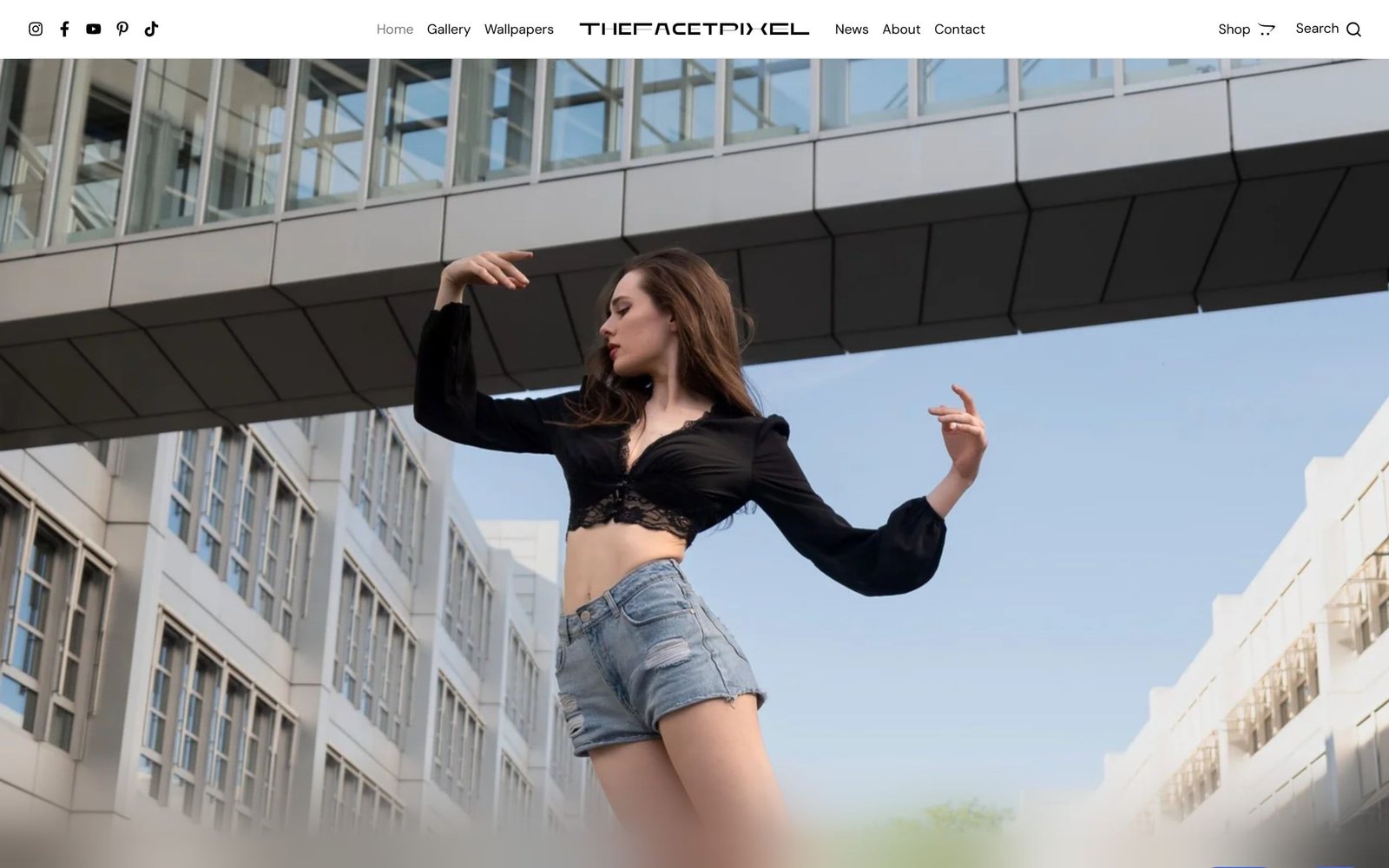
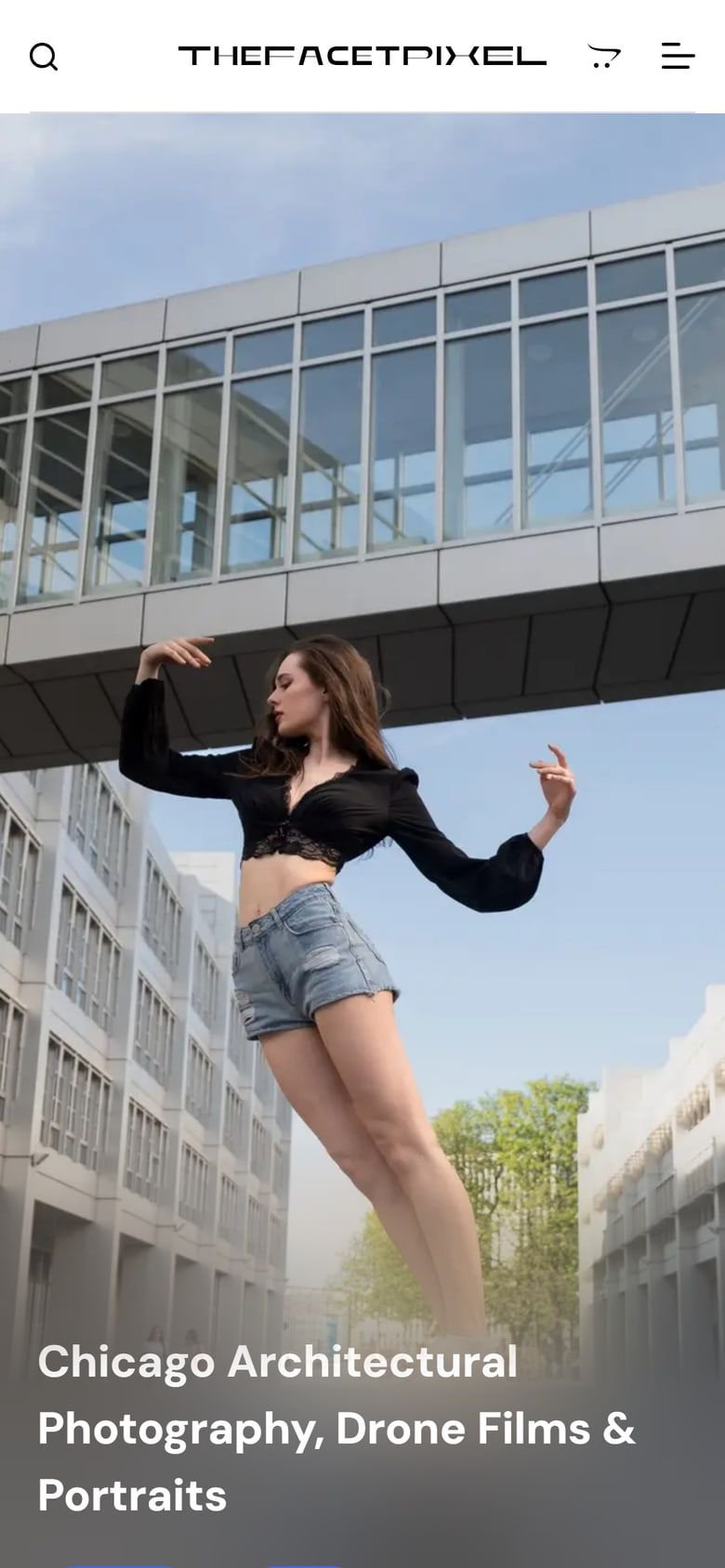
TheFacetPixel
Where the photographs lead and become prints.
- Sector
- Creative & e-commerce
- Practices
- Experience · Technology · Brand
- Scope
- Design · Build · Commerce
- Built with
- WordPress · WooCommerce · Razorpay


ParomaTravels
Affordable luxury, under a night sky.
- Sector
- Travel & hospitality
- Practices
- Experience · Brand · Growth
- Scope
- Strategy · Design · Build · Conversion
- Built with
- WordPress · Elementor
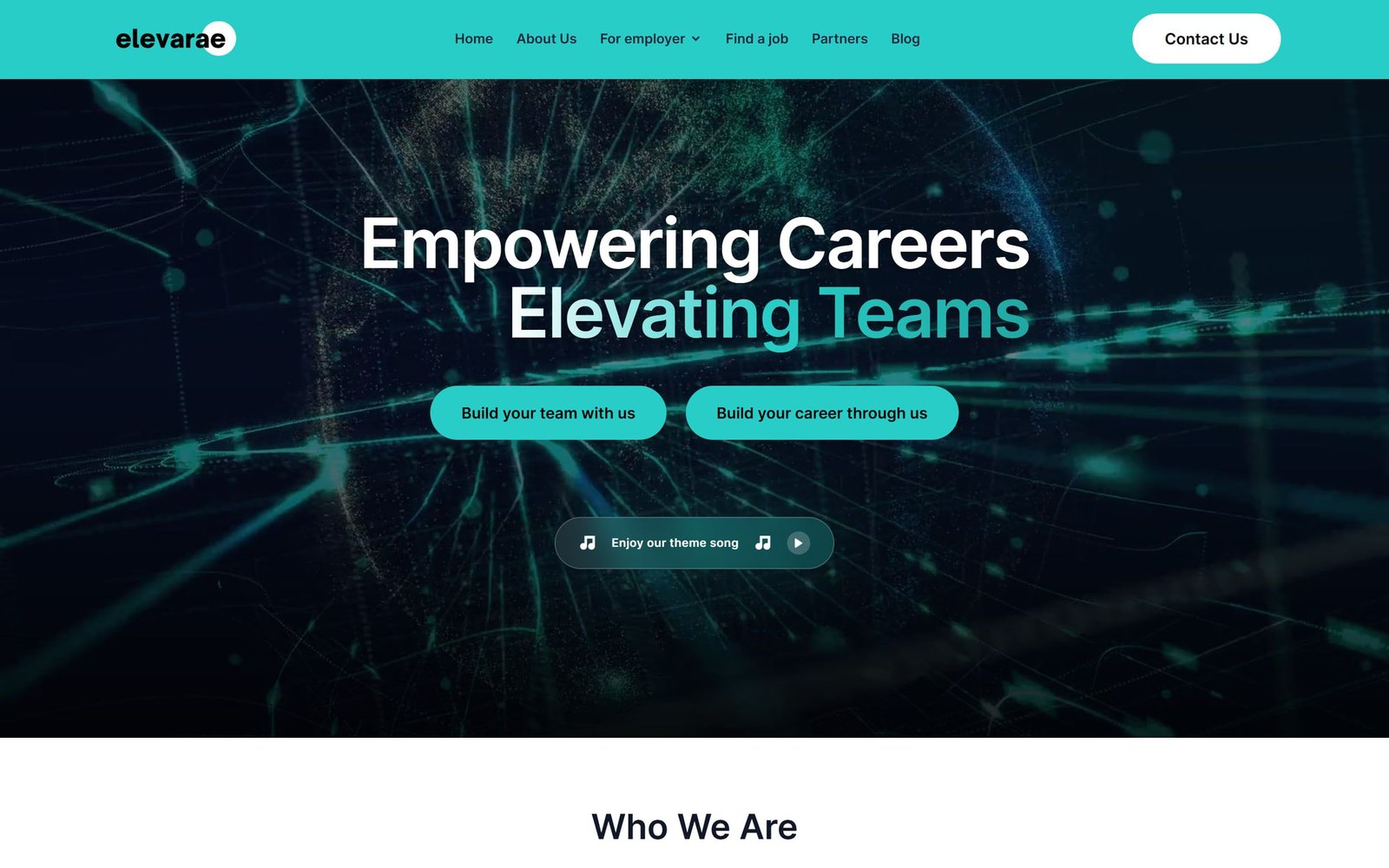
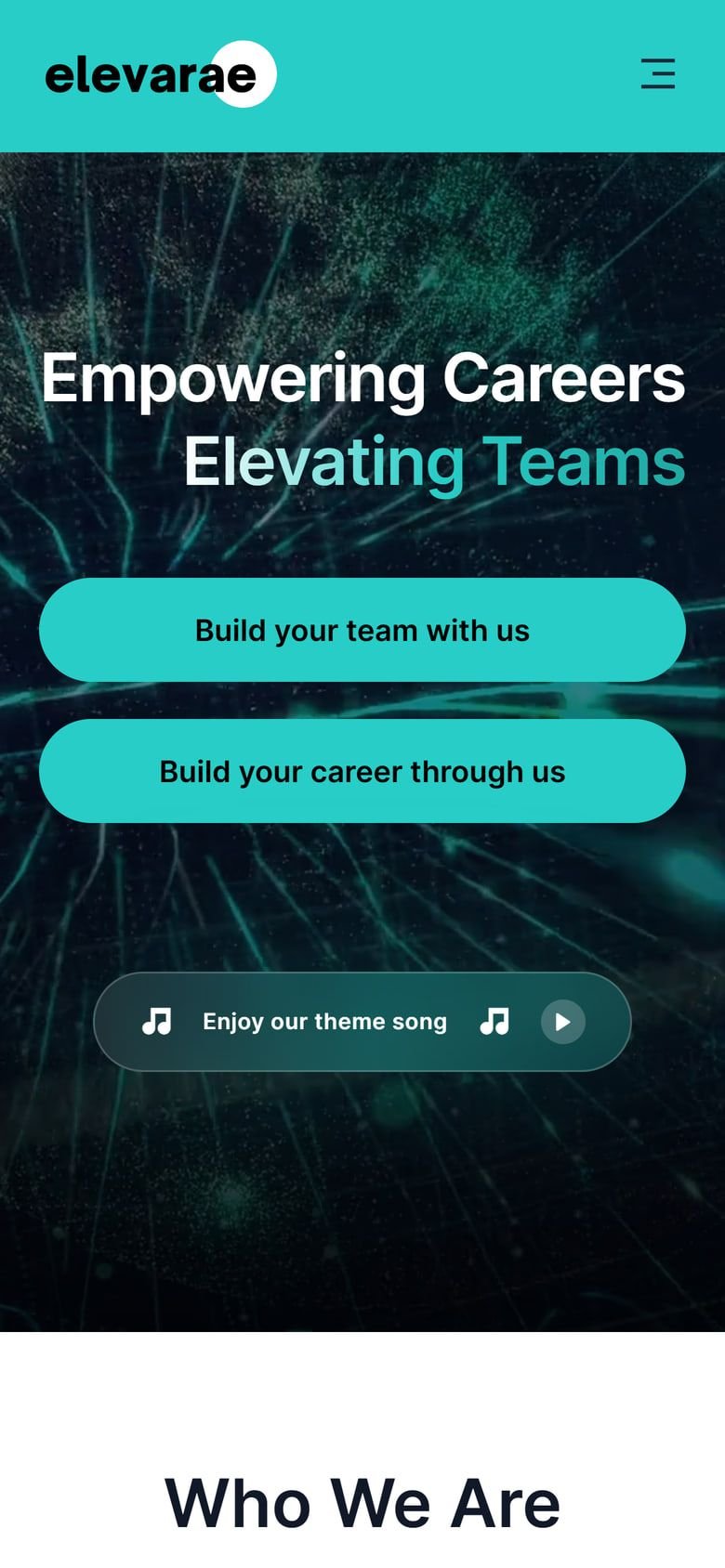
elevarae
One firm. Two audiences. Five regions.
- Sector
- Professional services
- Practices
- Experience · Technology · Brand
- Scope
- Strategy · Design · Build
- Built with
- Astro
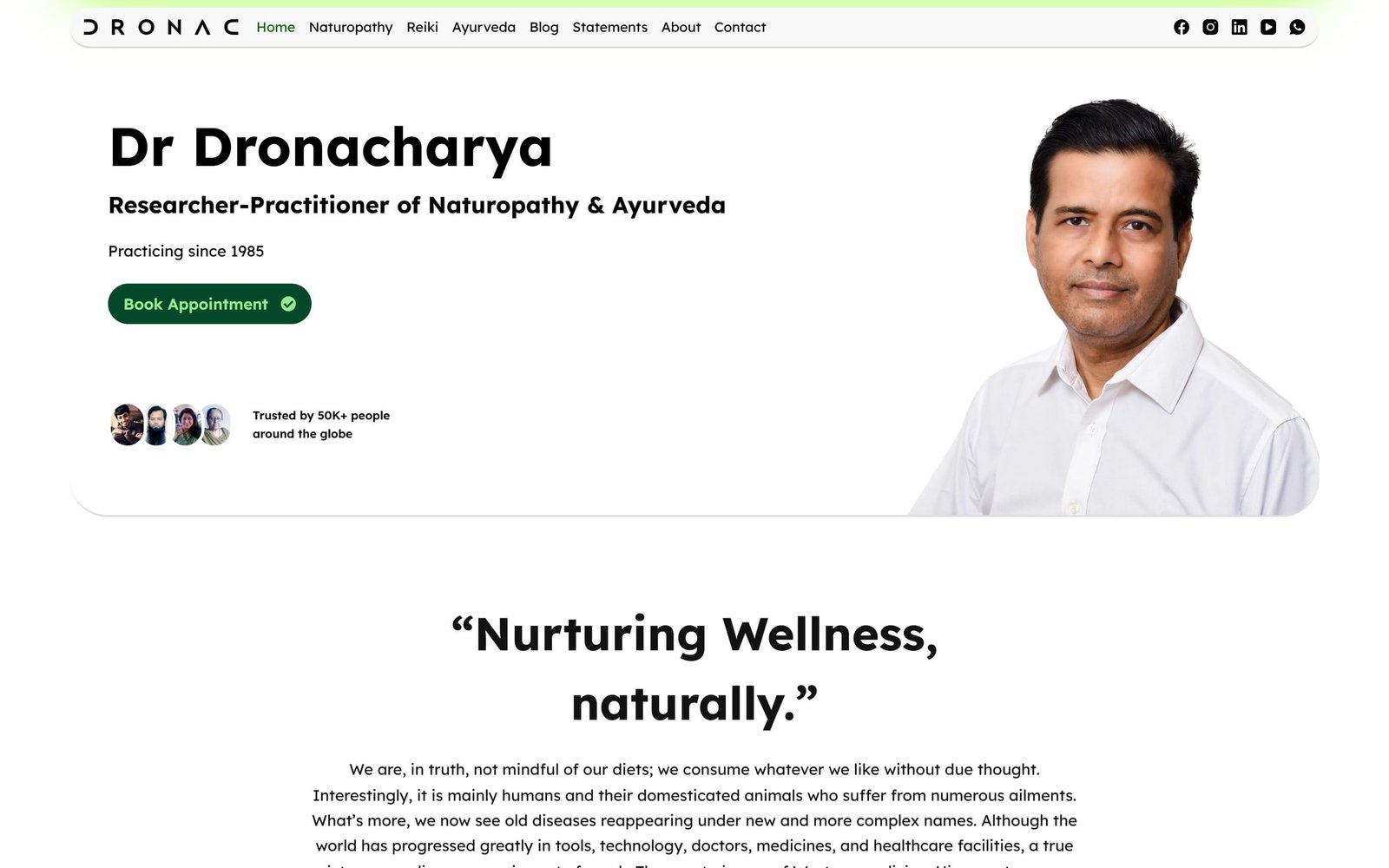
Dronac
Forty years of practice. One calm first impression.
- Sector
- Health & wellness
- Practices
- Experience · Brand
- Scope
- Strategy · Design · Build
- Built with
- WordPress
AI
AI, applied
where it pays back.
- SearchesCited in AI answers
- ConversationsQualified enquiries
- OperationsAutomated workflows
- DataPlain-language reports
Which studios can rebuild our website and help us appear in AI answers?
- 1yourbrand.comCited
- 2
- 3
- Entity
- Structure
- Answers
- Mentions
Process
How a project runs.
01
Discover
Research · audit · goals
02
Define
Strategy · sitemap · plan
03
Design
Brand · UI · prototypes
04
Build
Development · QA · CMS
05
Launch
Release · analytics · handover
06
Optimise
Growth · CRO · reporting
Why Venuras
Perfection isn’t just a word, it’s our principle.
- Projects
- 100+
- Clients
- 50+
- Countries
- 11+
“Venuras captured the soul of TheFacetPixel with remarkable clarity and creative discipline. The website feels refined, immersive and true to my artistic identity.”
 SarthakPhotographer, TheFacetPixel
“Venuras understood my vision with clarity and calm precision. The dronac.in website is clean, trustworthy and perfectly aligned with my medical philosophy.”
 Dr DronacharyaNaturopathy & Ayurveda, Dronac
“Venuras brought structure, clarity and a strong visual identity to Air Design Solutions’ social media. The content feels professional, technically sound and aligned with our engineering standards.”
 SubashishAir Design Solutions
Start a project
Tell us what you’re building.
A website, a brand, a growth programme or an AI system, or all four. Choose a starting point and we’ll take it from there.
or write to hello@venuras.com